What Is Medical Thermography?
Medical thermal imaging is a sophisticated assessment method that analyzes subtle temperature patterns using advanced infrared technology. This innovative approach provides you with a powerful monitoring tool for your preventative care protocols and lifestyle adjustments that support longevity and well-being.
At MANYA, we use a high resolution, highly sensitive FLIR 500 infrared camera in combination with a patented software to create detailed images that reveal patterns of temperature and circulation beneath the skin’s surface. We partner with experienced physicians for reliable, expert interpretation of your images.
How does it work?
Unlike X-rays, mammograms, CT scans, or MRI scans, thermography does not look at the structure of tissues. Instead, it provides information about physiological activity, helping identify areas of
- Altered blood flow and circulation
- Inflammation
- Autonomic nervous system activity
- Angiogenesis (formation of new blood vessels)
- Lymphatic congestion
- Sympathetic nervous system dysfunction
- Certain pain and injury patterns
The Science
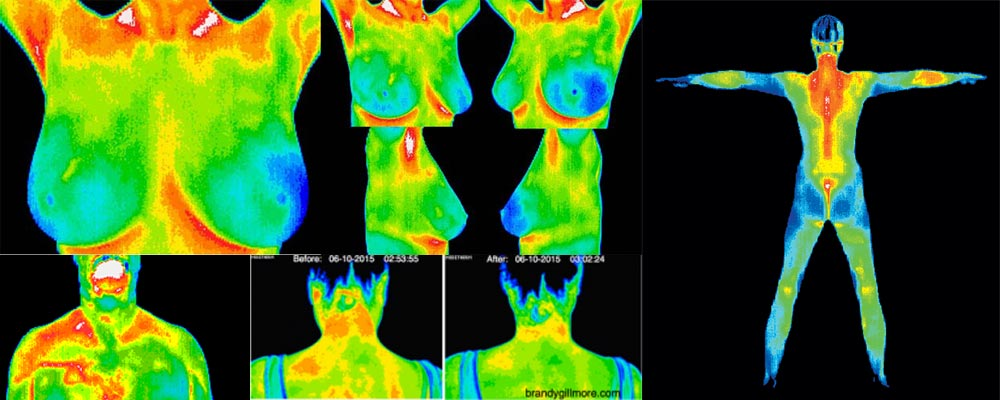
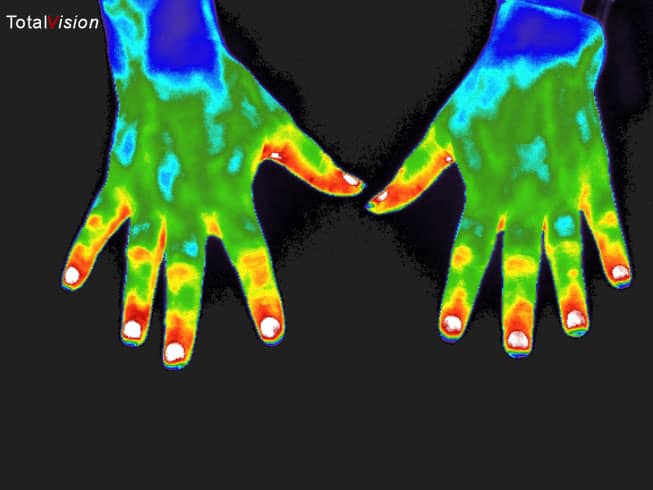
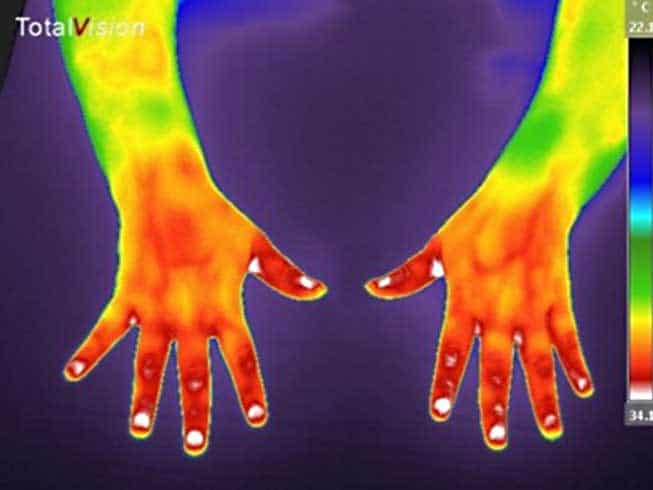
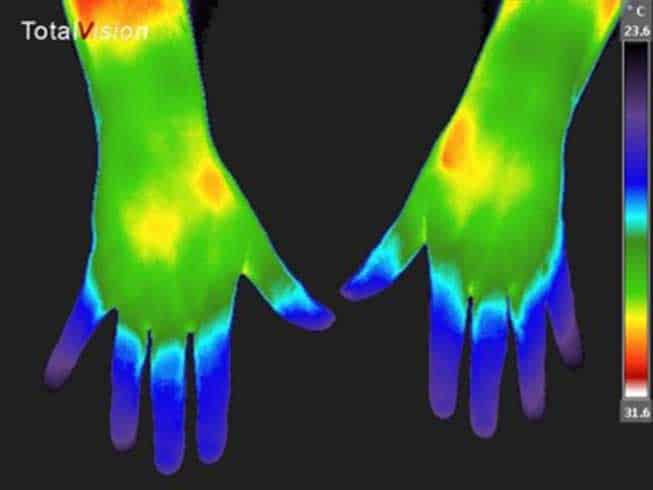
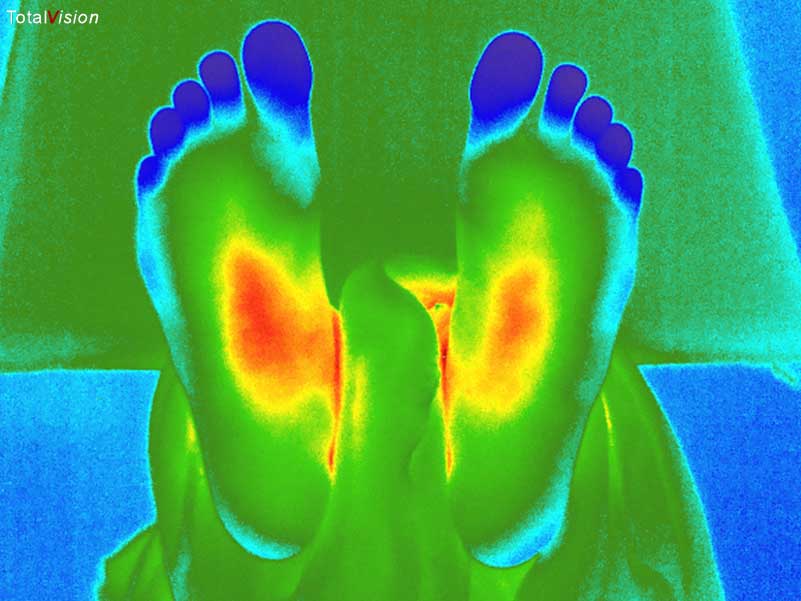
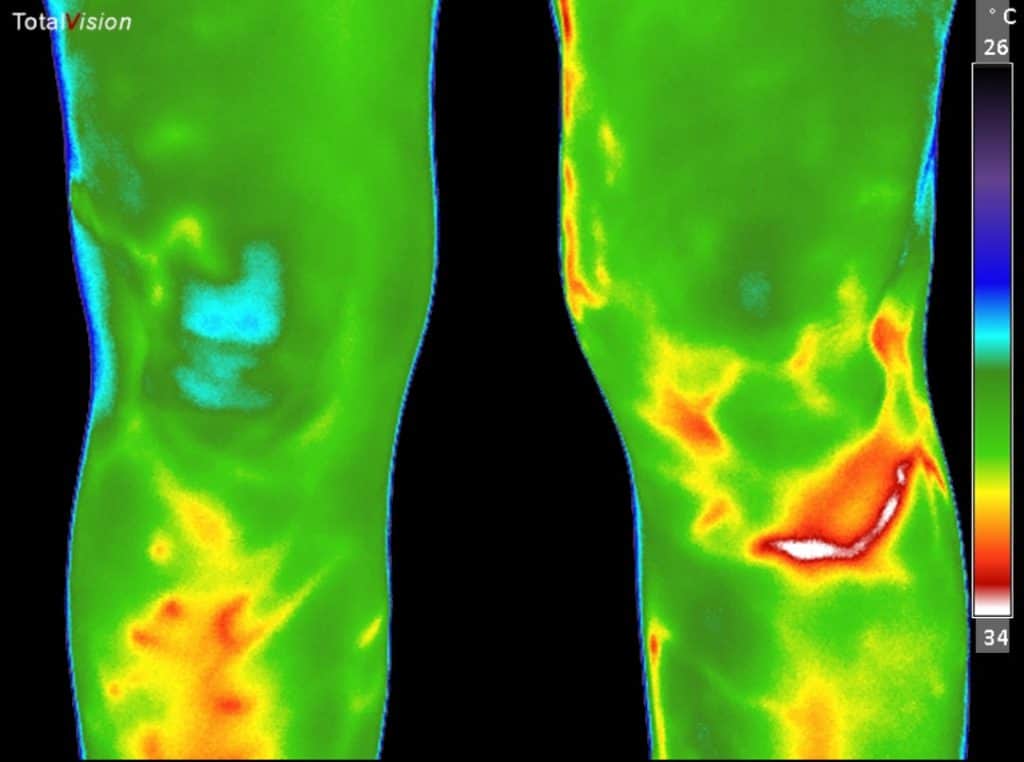
The process is based on a fascinating principle: your body’s natural infrared emissions create a unique thermal signature. Every cell in your body emits heat, creating distinct thermal patterns. We capture these thermal patterns and transform them into precise visual maps where different colors represent varying temperature levels that can indicate areas that require attention.
Think of it as a functional assessment tool, not a structural imaging tool.
| Structural Imaging | Physiological Imaging |
| Looks at anatomy | Looks at function |
| Detects structural changes | Detects thermal patterns |
| Shows tissue architecture | Shows circulation and inflammation patterns |
| Mammogram, MRI, CT, Ultrasound | Thermography |
| Diagnostic imaging | Monitoring and assessment tool |
A Proactive Approach to Wellness
Many chronic conditions develop gradually over time. By identifying patterns of inflammation and physiological stress early, thermography can help support a preventive approach to wellbeing and longevity. While it is not a diagnostic tool, it can identify and monitor patterns of physiological change, thus providing valuable information that can complement conventional healthcare and that goes hand-in-hand with your holistic health coaching program.
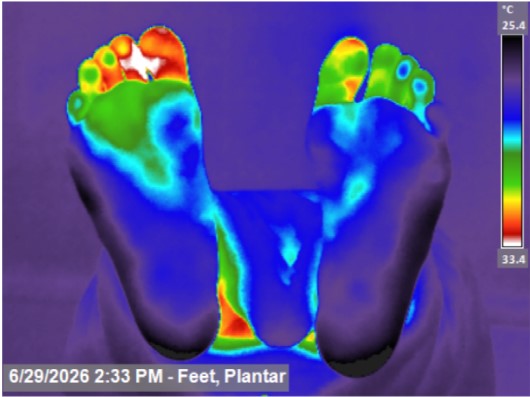
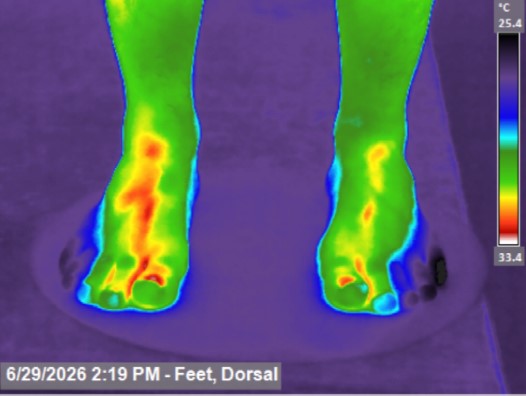
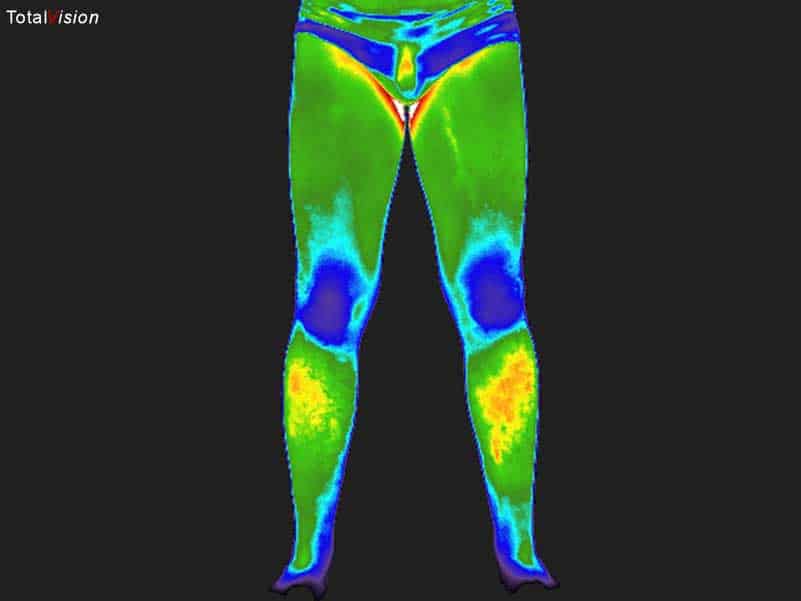
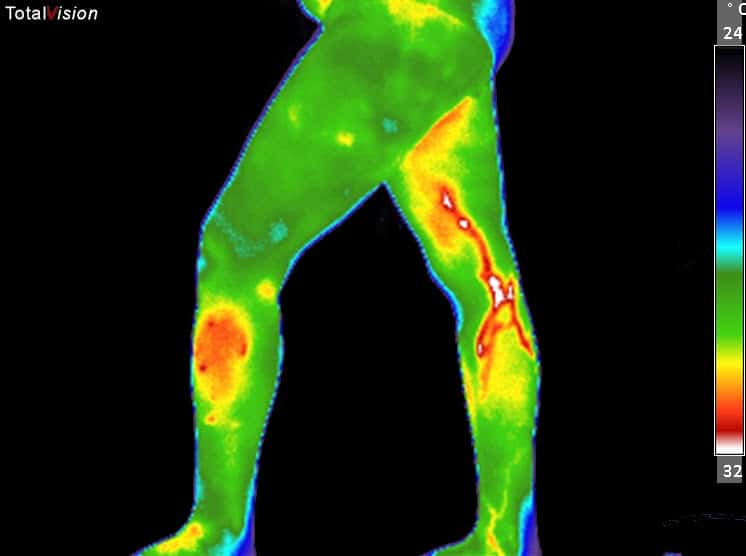
What Can Thermography Assess?
Thermography can help evaluate and monitor physiological changes associated with:
Inflammation
Inflammation often creates increased heat patterns that can be visualized on a thermographic image. Thermography may help identify areas of:
- Chronic inflammation
- Joint irritation
- Tendon or ligament stress
- Soft tissue injury
- Musculoskeletal strain
- Arthritis
- Sports injuries
- Chronic pain syndromes
- Postsurgical healing
Circulation and Vascular Activity
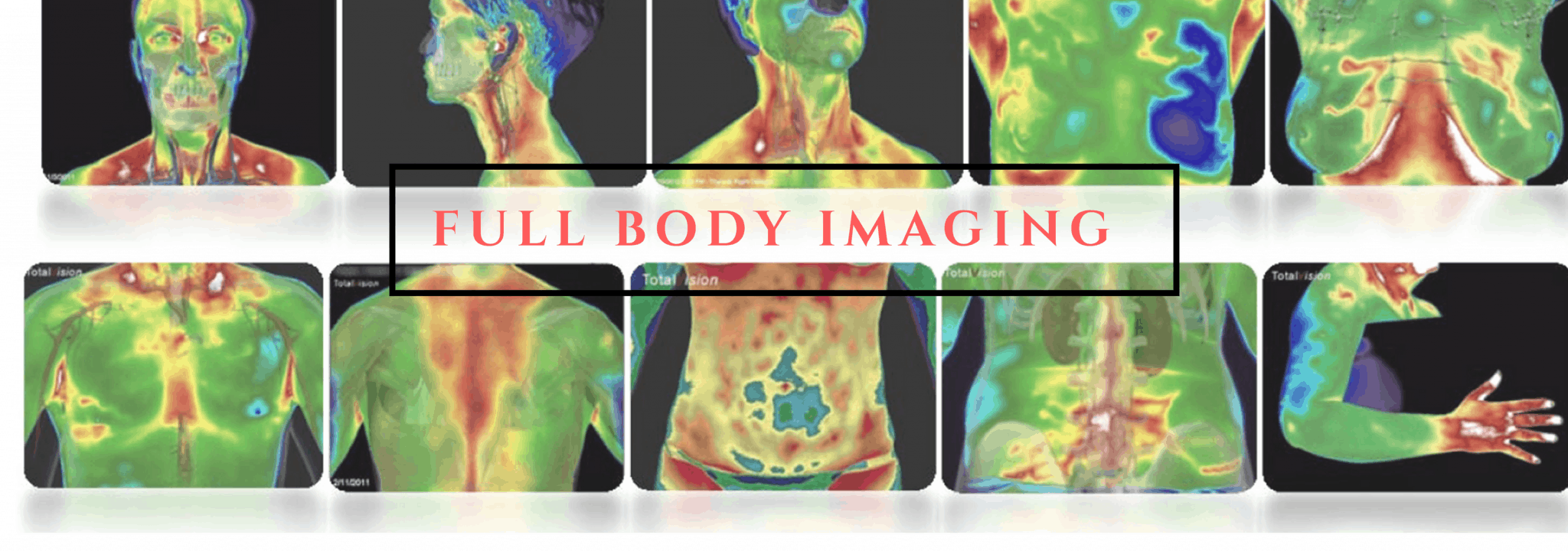
Images can be taken as a full-body discovery or of selected body parts. This way, thermography offers not only safe but also affordable monitoring. Thermal patterns may reflect changes in blood flow and vascular function, helping assess:
- Circulatory imbalances
- Areas of vascular congestion
- Poor peripheral circulation
- Temperature asymmetries between body regions
Breast Health Monitoring
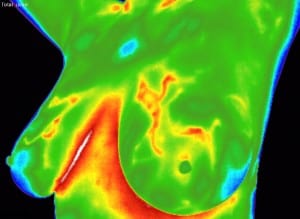
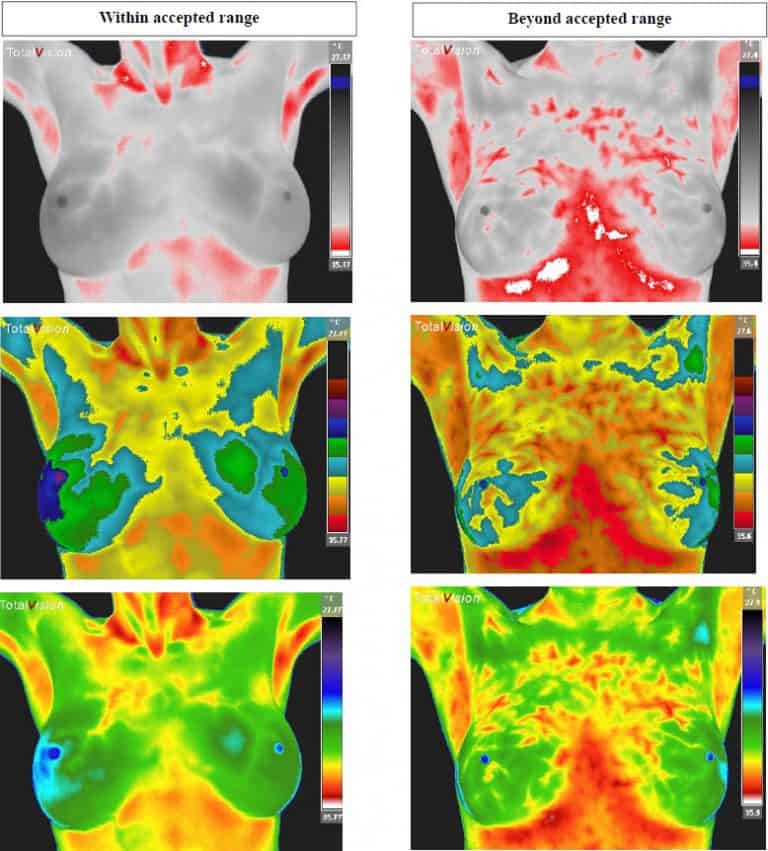
Thermography can make unusual heat patterns, hormonal imbalances, vascular activity, or asymmetries within breast tissue visible and provides valuable monitoring as part of a holistic wellness program.
Many women choose thermography as a complementary tool to support proactive breast health awareness and ongoing monitoring.
At MANYA, we do not just take images of the breasts but include the chest, lungs, throat, and thyroid areas as well.
Thermography can make patterns of estrogen dominance, elevated blood sugar, and high cortisol and stress visible. At MANYA, we specialize in optimizing hormone metabolism and stress resilience. In combination with the DUTCH Test, GI Map, and other functional lab tests, we can offer the guidance that helps you navigate challenging changes in life while emphasizing a proactive approach to longterm wellbeing.
Nervous System Function
The autonomic nervous system influences circulation and temperature regulation throughout the body. Thermal imaging may reveal patterns associated with:
- Stress-related physiological changes
- Autonomic nervous system imbalance
- Certain chronic pain conditions
Monitoring Changes Over Time
One of the greatest strengths of thermography is its ability to establish a baseline and monitor changes over months and years. Comparing studies over time can provide valuable insights into evolving physiological patterns and responses to lifestyle or wellness interventions.
Benefits of Thermography
- Completely non-invasive
- No radiation exposure
- No compression or discomfort
- No injections or contrast agents
- Safe for repeated monitoring – excellent for trend analysis
- Provides physiological information not available through structural imaging
- Can be used as part of a proactive wellness strategy
What Thermography Cannot Do
While thermography is a valuable assessment tool, it is important to understand its limitations.
Thermography does NOT:
- Diagnose disease
- Detect all abnormalities
- Replace diagnostic imaging
- Determine the exact cause of a thermal pattern
- Provide information about tissue structure or anatomy
Thermography identifies patterns of heat and physiology—not specific diagnoses.
See What’s Happening Before Symptoms Get Louder.
The Imaging Experience
During your session, you’ll be in a private, temperature-controlled room where your body will naturally adjust to the environment. Our certified Medical Thermographer will capture detailed images using our advanced FLIR infrared camera system, which requires no physical contact. The entire process is:
- Private; you will be behind a screen or curtain
- Non-invasive and entirely pain-free
- Safe, radiation-free
- Quick and efficient
- As easy as getting your picture taken!
What to Expect
- Initial Consultation: We’ll review your health history and answer any questions.
- Acclimation Period: You’ll spend a short time adjusting to the room’s temperature.
- Imaging Session: Our certified thermographer will capture the necessary images.
- Immediate Review: You’ll see your thermal images right after they’re taken.
- Report Process: Your images will be analyzed by a Medical Doctor, and a detailed report with recommendations for you will be prepared within 5-7 days.
The Results
After your session, you’ll receive:
- Detailed thermal images
- Professional analysis of the findings
- Clear explanation of any notable patterns
- Written documentation of your thermography study
- Recommendations for follow-up timeframes
Monitoring
Just as you schedule regular dental check-ups or eye exams, incorporating thermal imaging into your routine wellness practices can provide valuable insights over time.
Regular thermographic studies allow you to:
- Establish your baseline patterns
- Monitor any changes
- Track improvements
- Maintain proactive awareness of your body’s functioning
Take the first step toward understanding your body’s unique thermal patterns: